Why Men Over 35 Feel Constantly Tired — And How TRT May Help
Our Team
5/8/2026
Why Men Over 35 Feel Constantly Tired — And How TRT May Help
You sleep 7–8 hours.
You drink caffeine.
You push through work every day.
But somehow, you still feel:
- exhausted in the morning
- mentally drained by afternoon
- unmotivated to train
- irritable at home
- disconnected from your old self
For many men over 35, this isn’t “just aging.”
It may be low testosterone.
At Ultimate Male, chronic fatigue is one of the most common reasons men come in for a consultation—and many are shocked to discover their hormones are part of the problem.
Low Testosterone Doesn’t Just Affect Libido
Most men associate testosterone with:
- muscle
- sex drive
- gym performance
But testosterone also directly affects:
- cellular energy production
- sleep quality
- dopamine signaling
- motivation
- mental sharpness
- recovery capacity
- mood regulation
When testosterone drops, energy often disappears with it.
The Difference Between “Tired” and Hormonal Fatigue
Normal tiredness improves with:
- rest
- weekends
- vacations
- sleep
Low-testosterone fatigue usually doesn’t.
Signs include:
- waking up exhausted
- brain fog
- needing caffeine to function
- low drive despite adequate sleep
- poor recovery after workouts
- reduced motivation
- afternoon crashes
- decreased stress tolerance
Many men describe it as:
“I just don’t feel like myself anymore.”
&srotate=0)
Why Testosterone Levels Decline
Testosterone naturally decreases with age, but modern lifestyle factors accelerate the process:
- stress
- poor sleep
- obesity
- processed foods
- alcohol
- insulin resistance
- sedentary jobs
- sleep apnea
Some men experience symptoms as early as their 30s.
How TRT Helps Restore Energy
Properly optimized TRT may improve:
- stable daily energy
- focus and concentration
- gym recovery
- motivation
- sleep quality
- endurance
- confidence and mood
Most men notice:
early changes within 2–4 weeks
major improvements around 6–8 weeks
continued optimization over several months
The goal isn’t “hyped up” energy.
The goal is:
feeling normal again.
&srotate=0)
The Mistake Many Clinics Make
Many TRT clinics simply prescribe testosterone without investigating:
- estrogen balance
- thyroid health
- sleep quality
- hematocrit
- cortisol
- metabolic markers
- cardiovascular risk
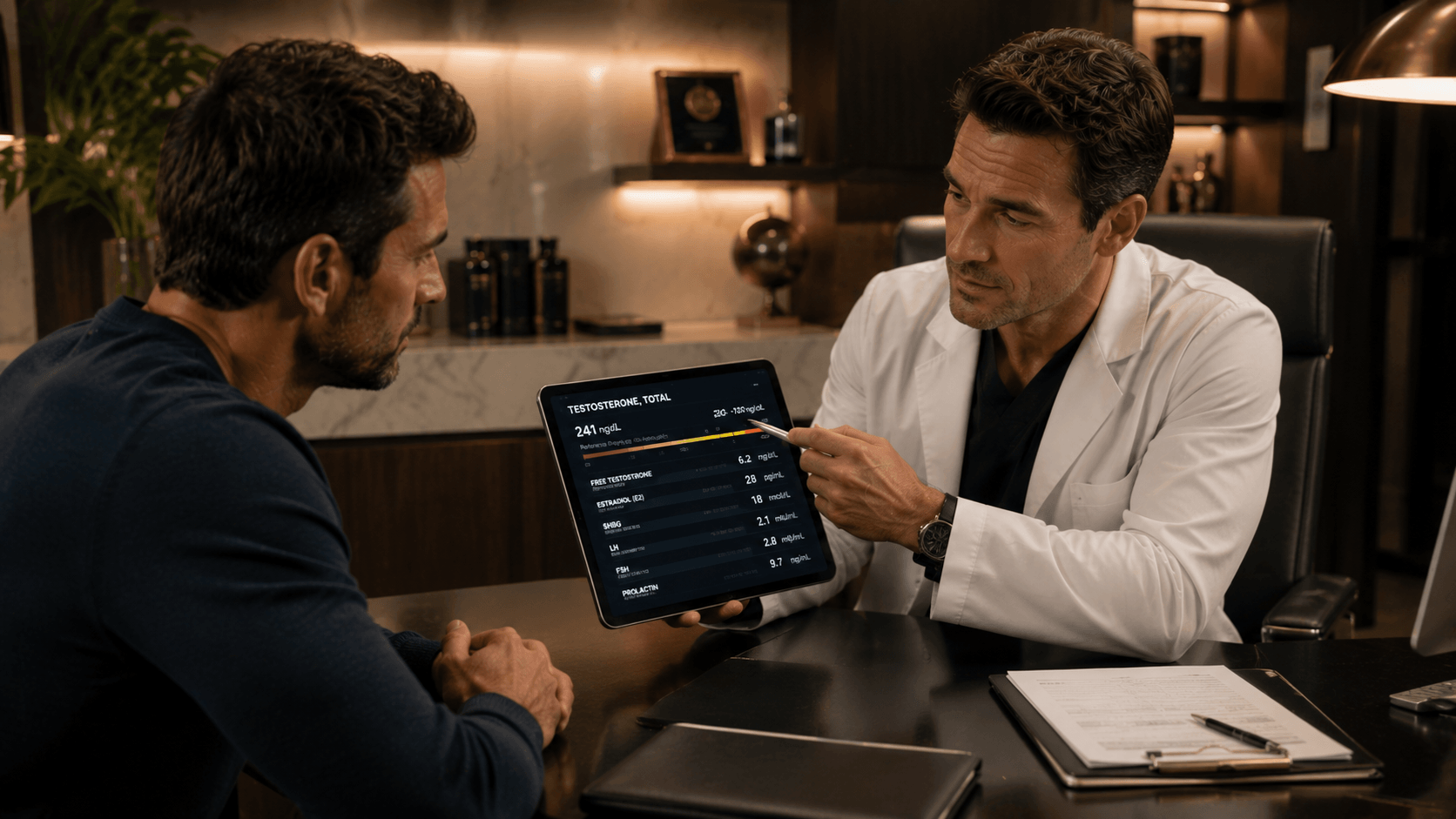
At Ultimate Male, optimization starts with comprehensive evaluation—not guesswork.
We focus on:
- personalized dosing
- detailed bloodwork
- symptom tracking
- long-term safety
- sustainable results
Because energy is influenced by more than testosterone alone.
&srotate=0)
TRT Is Not One-Size-Fits-All
We customize treatment based on:
- your symptoms
- your labs
- your schedule
- your lifestyle
- your goals
Options may include:
- testosterone injections
- oral TRT (Kyzatrex®)
- enclomiphene
- hCG support
- pellets
- lifestyle optimization
No cookie-cutter protocols.
When Men Finally Feel the Difference
One of the most common things we hear from optimized patients is:
“I didn’t realize how bad I felt until I finally felt normal again.”
That’s the difference properly managed TRT can make.
Ready to Find Out What’s Causing Your Fatigue?
If you constantly feel drained, foggy, or unmotivated, it may be time to evaluate your hormones.
San Gabriel • Downey
(626) 319-5261
ultimatemale.com
Book your TRT consultation at Ultimate Male and discover what optimized energy should actually feel like.
Recent Posts
Is Erectile Dysfunction a Normal Part of Aging?
Understand the connection between erectile dysfunction and aging, common causes of ED in older men, and when it may be time to consider treatment.
Semaglutide vs. Tirzepatide for Men in San Gabriel
Compare semaglutide and tirzepatide for men, what a medical weight-loss evaluation should cover, and how to choose a San Gabriel program.
What Labs Do You Really Need Before Starting TRT in San Gabriel?
TRT lab work should go beyond one testosterone number. Learn what matters before treatment and when to book a San Gabriel evaluation.